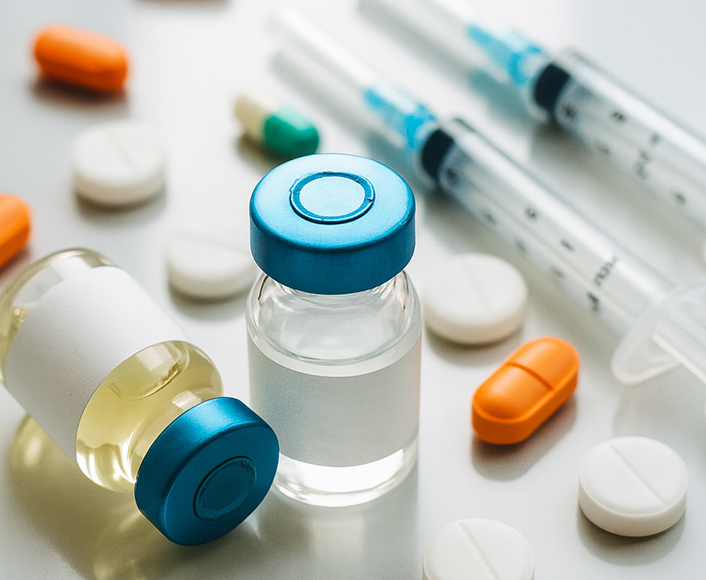
Dangerous Drug Lawyers
Dangerous Drugs Hurt Instead of Heal
Chaffin Luhana is here to guide you through the legal process when a dangerous drug puts your health at risk.

What People Say About Chaffin Luhana
More Than 1,200 Five-Star Reviews
Dangerous Drugs Violate Vulnerable Patients' Trust
This violation doesn’t just damage patients' health, it reduces everyone’s faith in the health care system.
You should be able to trust the prescription drugs you take. That’s why, legally, it’s the pharmaceutical companies’ responsibility to ensure the drugs they release to the market are safe when being administered as intended.
When pharmaceutical companies prioritize profits over safety, the drugs they produce can be dangerous for patients. If you or a loved one has suffered injury or wrongful death as the result of a dangerous drug, Chaffin Luhana will help you move forward.
Dangerous Drug Claims
Unfortunately, There are Too Many Dangerous Drugs on the Market
Chaffin Luhana helps patients pursue accountability from Big Pharma while advocating for systemic change.
If a prescription or over-the-counter drug has hurt you or someone close to you, you may be able to seek compensation through a legal claim. Please reach out today for a free legal case review.
Depo-Provera (Meningiomas)
Recent studies have shown this contraceptive shot increases recipient’s risk of brain and spinal cord tumors called meningiomas, but Pfizer is still not providing adequate warnings.
Dupixent (Cancer)
This drug typically treats inflammatory or allergic responses and has been linked to the development of certain types of cancers. If you or a loved one has been diagnosed with cancer after taking Dupixent, reach out for a free case review.
Ozempic (Stomach Paralysis)
Ozempic, once a tool to treat diabetes, is now widely used for weight loss. But it has been shown to cause stomach paralysis in some patients.
Tylenol (Autism & ADHD)
Tylenol has historically been considered safe to take, but new research shows that pregnant women who take this drug are at a higher risk of having a child born with autism or ADHD.
Zantac
According to the FDA, this popular drug for heartburn may contain a cancer-causing agent, putting patients at risk for esophageal cancer.

Over $1 Billion Recovered to Help Clients Move Forward
We help injury survivors recover compensation for:
Medical Expenses
Long-Term Care Needs
Loss of Enjoyment of Life
Emotional Distress
Pain and Suffering
Lost Past and Future Wages or Income

An Experienced Defective Product Law Firm
Other Types of Personal Health & Dangerous Product Claims We Handle
Defective Medical Devices
A medical device is supposed to solve a problem, relieve a pain, or help you in some way. When medical devices are defective they can cause chronic issues and serious injuries. If you or a loved one has suffered injury or wrongful death as the result of a defective medical device, our lawyers will hold those responsible, accountable. Types of defective medical device lawsuits include:
Defective Consumer Products
When defective consumer products enter the market, they can cause injuries and other losses to users of said products. Types of defective consumer product lawsuits include:
Our Legal Team
Dangerous Drugs Lawyers Who Care


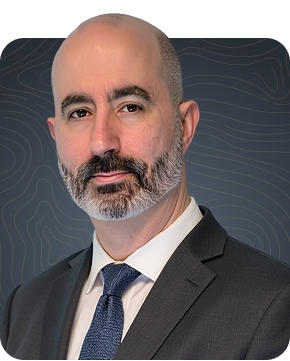

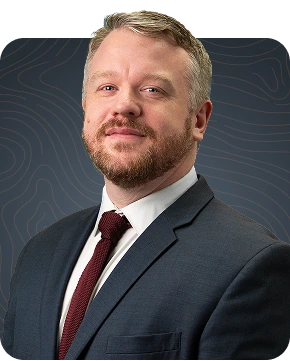
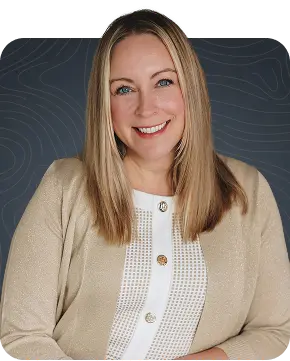
We believe in showing up for our clients every step of the way.
With more than 250 years of combined experience, our attorneys, social workers, nurses, and legal professionals lead with care and fight with purpose.
Why People Choose Chaffin Luhana
It’s Not Just What We Do. It’s How We Show Up for the People We Serve.
We Listen First. Then We Lead.
We know traumatic stories can be are hard to tell. We’ll never rush you or judge you. We make space for what you’ve been through before we build a path forward.
Relentlessly Skilled. Fiercely Human.
Our team includes seasoned trial lawyers, former prosecutors, nurses, paralegals, and social workers, — combining sharp legal strategy with real compassion. You’ll feel both.
Known for Results. Remembered for Care.
Winning your case matters. But helping you move forward — legally, emotionally, and financially — is what sets us apart.
Nationwide Reach: Local Offices in Connecticut, New York, Pittsburgh, and West Virginia

Dangerous Products Endanger Everyone
Chaffin Luhana is here for you.
Dangerous Drugs FAQs
1. What are Considered Dangerous Drugs?
A dangerous drug is a prescription or over-the-counter drug that is defective or causes harm when taken as directed by the manufacturer. Drugs can be made dangerous through a manufacturing defect, meaning the drug is inherently safe but was made unsafe through an error in the manufacturing process. It can be an inherently dangerous drug, which would indicate a design defect in the drug; and it can have insufficient warnings about the side effects of taking the drug, which would be a failure to warn claim.
2. What is a Dangerous Drug Lawsuit?
A dangerous drug lawsuit occurs when a patient that is harmed by taking a drug sues the drug’s manufacturers for damages. For a claim to be successful, the claimant must show they took the drug as directed and suffered harm.
3. What are the Types of Dangerous Drug Claims?
A dangerous drug is any prescription or over-the-counter medication that causes harm when used as directed. A drug may be considered dangerous for several reasons, including:
Manufacturing Defects: The drug’s formula is safe, but an error during production makes a specific batch contaminated, improperly mixed, or otherwise unsafe.
Design Defects: The drug is inherently dangerous because its very design or chemical structure creates unreasonable risks, even when manufactured correctly.
Marketing or Warning Defects: The drug is sold without adequate instructions or warnings about known risks, side effects, or interactions, leaving patients and doctors without critical safety information.
4. How Do I File a Dangerous Drug Claim?
Dangerous drug claims require a structured legal approach, and your first step is typically to consult an attorney who can guide you through the process.
- Consult an attorney: A lawyer specializing in personal injury and dangerous drugs can assess your case, explain the statute of limitations, and help you navigate the complex legal process.
- Gather evidence: Collect all relevant documents, including prescription or drug containers, medical records, and any information about the drug being recalled.
- Identify the responsible parties: A lawsuit may be filed against the drug manufacturer, medical professionals who prescribed or administered the drug, or pharmacists who dispensed it.
- Determine the extent of damages: Work with your lawyer to identify all financial and non-financial losses, such as medical costs, lost wages, and physical and emotional pain and suffering.
- File the lawsuit: Your attorney will help you file the claim, which may be an individual lawsuit or part of a larger mass tort litigation.
5. What Should I Consider When Filing a Dangerous Drug Claim?
Dangerous drug claims involve several important considerations that can influence your rights and your ability to recover compensation.
Statute of Limitations: Every state sets a deadline for filing a dangerous drug lawsuit. In many cases, the discovery rule applies, meaning the clock begins when you knew or reasonably should have known that the drug caused your injury. Acting quickly protects your rights.
Strict Liability: Dangerous drug cases often fall under strict liability, which means the manufacturer may be responsible simply because the drug was defective or unreasonably dangerous, not because they intended to cause harm.
Learned Intermediary Doctrine: Some states follow the learned intermediary doctrine, which limits a drug manufacturer’s duty to warn the end user. Under this rule, the manufacturer must warn the prescribing doctor, who then has the responsibility to inform the patient about risks.

Award-Winning. Client Focused.


Insights From an Attorney for Dangerous Drugs